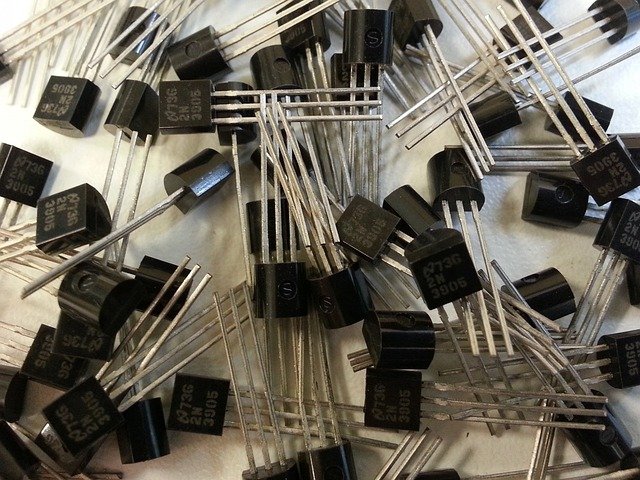
Transistors are essential components in electronic circuits, serving various functions from amplification to switching. However, deciphering the markings on transistors can be intimidating for beginners. In this article, we’ll demystify transistor codes and provide a step-by-step guide on how to read and interpret them.
Understanding Transistor Markings
Transistors are typically marked with alphanumeric codes that convey important information about their specifications, including their type, polarity, and electrical characteristics. While the markings may vary depending on the manufacturer, they generally follow a standardized format that provides valuable insights into the transistor’s properties.
Step-by-Step Guide to Reading Transistor Codes
Let’s break down the process of reading transistor codes into simple steps:
Identify the Transistor Type: The first step is to determine the type of transistor – whether it’s bipolar junction transistor (BJT) or field-effect transistor (FET). This information is usually indicated by the first letter(s) of the code. For example, “2N” indicates a BJT, while “IRF” indicates an FET.
Identify the Polarity (for BJTs): For BJT transistors, the next step is to identify the polarity – whether it’s NPN or PNP. This information is typically indicated by the second letter(s) of the code. “2N3904” is an example of an NPN transistor, while “2N3906” is a PNP transistor.
Determine the Case Style: Transistors come in various package styles, such as TO-92, TO-220, and SOT-23. The package style is usually indicated by additional letters or numbers in the code. For example, “2N2222A” is a TO-18 package, while “2N3904” is a TO-92 package.
Decipher the Electrical Characteristics: The remaining numbers and letters in the code represent the transistor’s electrical characteristics, including its maximum voltage, current, gain, and frequency. These values are often standardized and can be found in datasheets provided by the manufacturer.
Exa
Example: Reading the Code “2N2222A”
Let’s apply the steps outlined above to decode the code “2N2222A”:
“2N”: Indicates a BJT transistor.
“2222”: Represents the basic type and series of the transistor.
“A”: Indicates a variant or specific version of the transistor.
Reading transistor codes may seem daunting at first, but with practice and understanding of the basic principles, it becomes much easier to interpret them. By following the steps outlined in this guide, you can confidently decipher transistor codes and select the right transistors for your electronic projects. So, the next time you encounter a transistor with cryptic markings, you’ll know exactly how to read and understand them, unlocking the door to endless possibilities in electronics. Click for shopping transistors.